New York is known as the city of great ethnic mosaics, but the latest update to the cultural corridors map by the Mayor’s office has brought a significant development for the Albanian-American community. This new official designation is not simply a cartographic procedure, but an institutional recognition of the contribution, migration, and successful integration of this community over the decades.
Glimpses from the Cultural and Commercial Hub in the Bronx
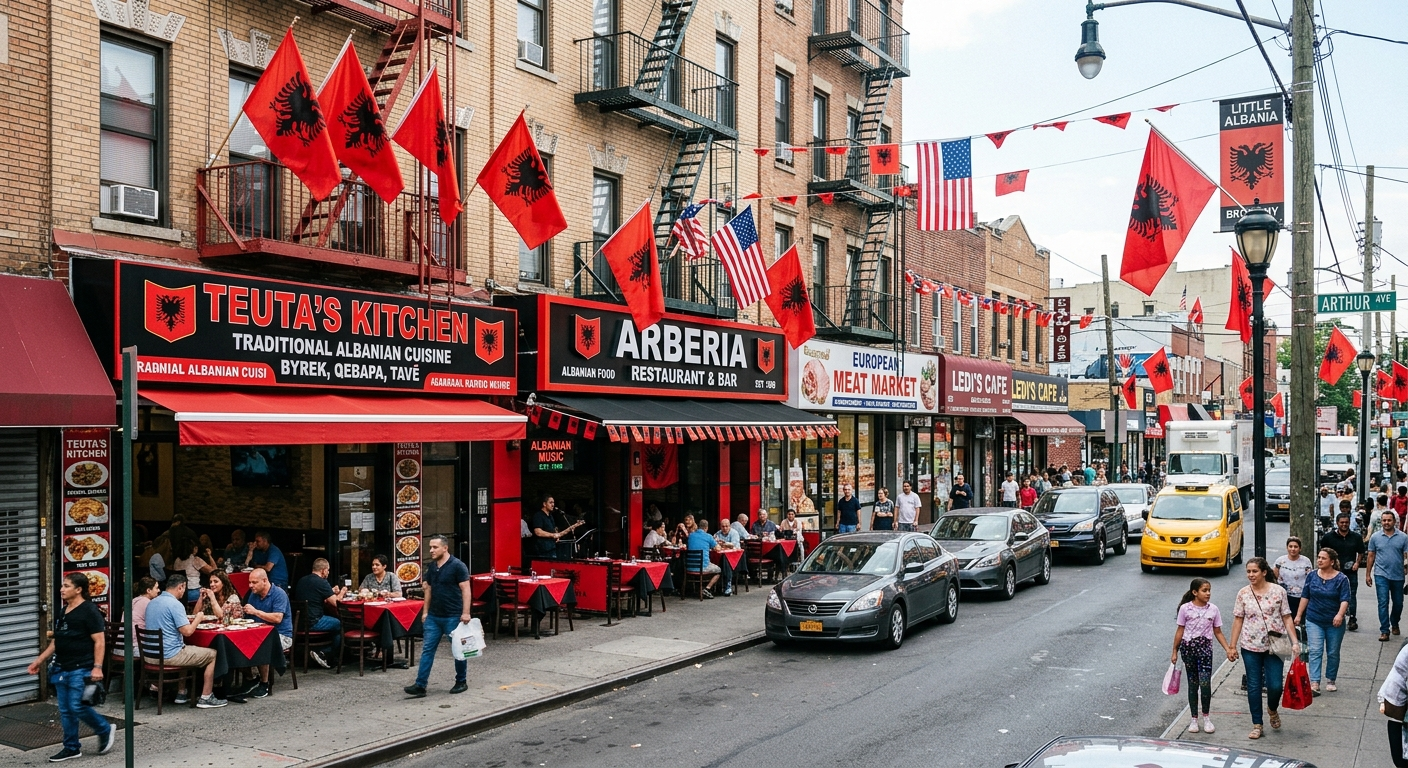
The image above clearly reflects the reality of the area known as Arthur Avenue in the Bronx, which bears the symbolic name “Little Albania”. The view shows the strong presence of national symbols coexisting alongside the American flag, as well as the high concentration of traditional businesses.
In this area, Albanian gastronomy and enterprises function not only as important economic points, but also as social spaces where the Albanian language, music, and tradition are preserved in the American metropolis.
Beyond its symbolic value, this official inclusion on the city’s cultural map brings several specific developments:
- Support for Infrastructure and Tourism: Being included on the official map paves the way for the area to apply for government grants, funds for improving urban infrastructure, lighting, and promotion in official city guides.
- Protection of Traditional Structure: This decision helps protect small family businesses against waves of gentrification or rapid urban changes that often affect historic neighborhoods in New York.
- Heritage for the New Generation: This step serves as an official documentation for the descendants of immigrants, proving that their culture and history are now a recognized and respected part of the official history of New York City.
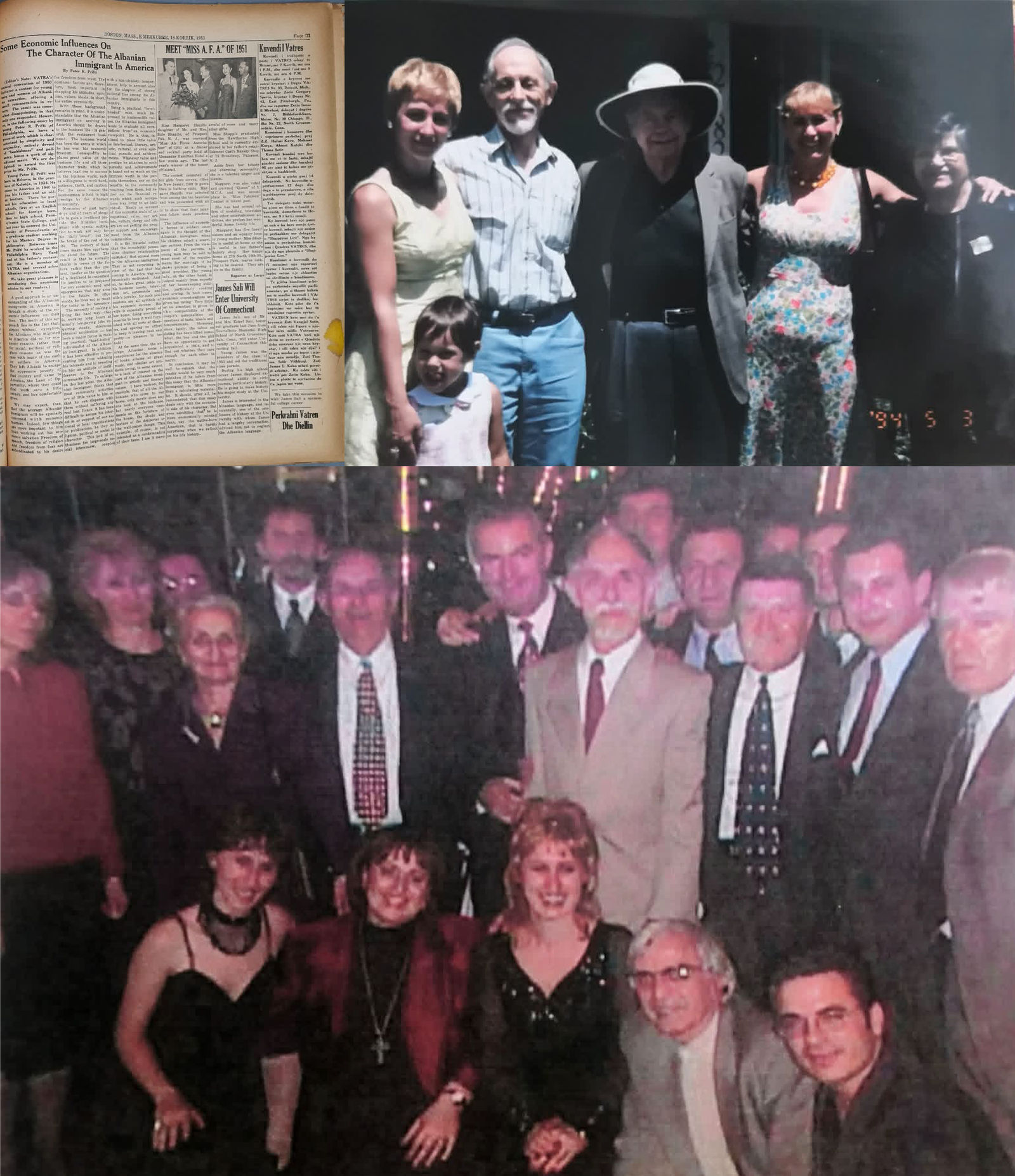
The relationship between New York’s highest authorities and the Albanian community has transcended the boundaries of simple administrative relations. A clear example of this influence is also the fact that high city officials have built strong institutional and spiritual bonds with this community, valuing their work and economic strength in the city. This cooperation has ensured that “Little Albania” is no longer seen as an isolated enclave, but as a key factor in local developments.
If decades ago the Albanian presence in New York lacked institutional backing, today “Little Albania” is an important destination on the economic and cultural map of the city. The new designation by City Hall is an important milestone, which sets new foundations for the further cultural and social development of the community.